Repairing a Settling Foundation
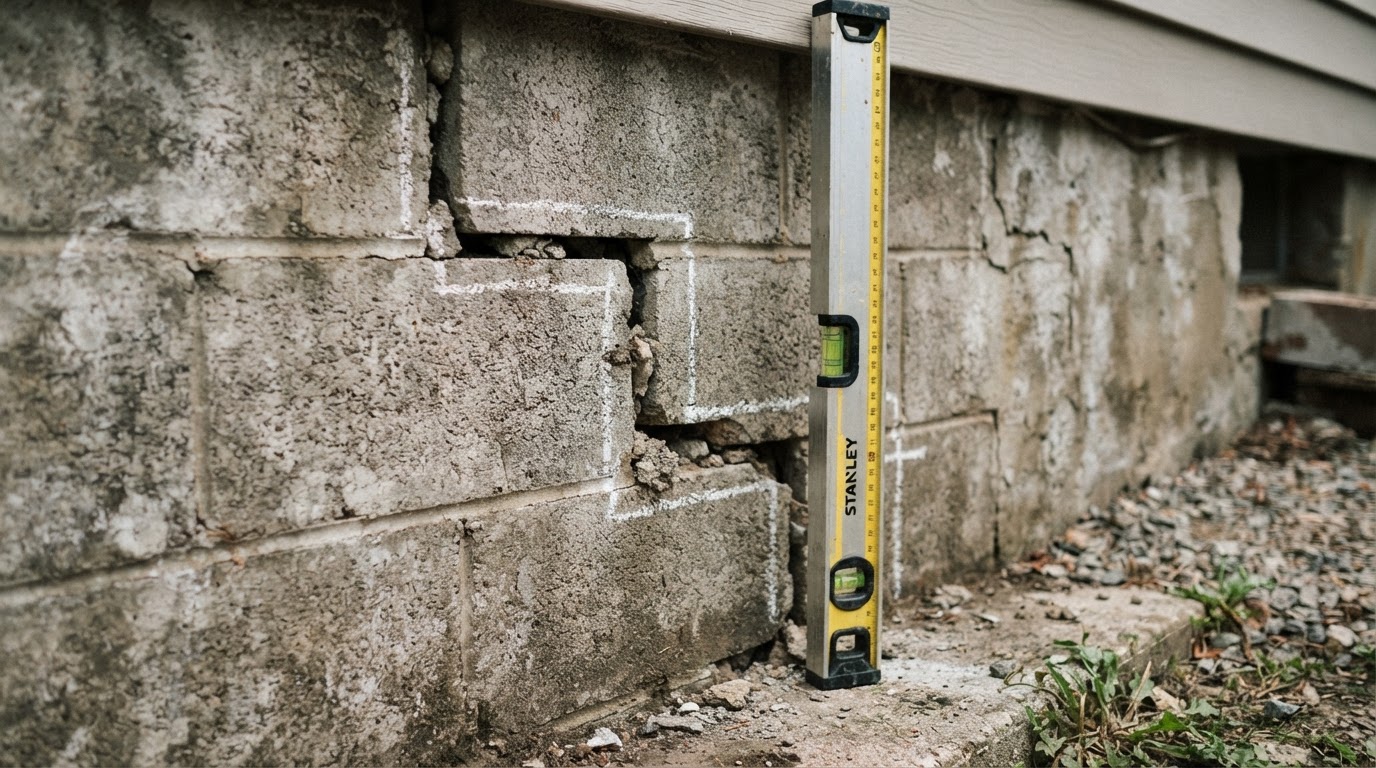
Foundation settlement can be unsettling for a homeowner. Signs may include cracks, uneven floors, changes around doors and windows, or other areas of the home that appear to be moving. The visible symptom is only part of the picture, so the condition and pattern of movement need to be considered.
Settling foundation repair focuses on addressing the foundation condition and the factors contributing to the movement. We help homeowners understand what they are seeing and what repair options may fit the property.
Signs and Considerations
Settlement is not diagnosed from a single crack or symptom. The location and pattern of movement, foundation type, drainage, soil conditions, and changes over time can all be relevant.
Uneven Floors
Changes in floor level can be one of several signs that a home needs closer attention.
Wall and Foundation Cracks
Cracks can vary considerably in meaning depending on their location, pattern, and whether they are changing.
Sticking Doors and Windows
Doors or windows that change from their previous operation can sometimes accompany movement elsewhere in the structure.
Drainage Conditions
Water and soil conditions around the home can be relevant when understanding foundation settlement.
Diagnosing Foundation Settlement
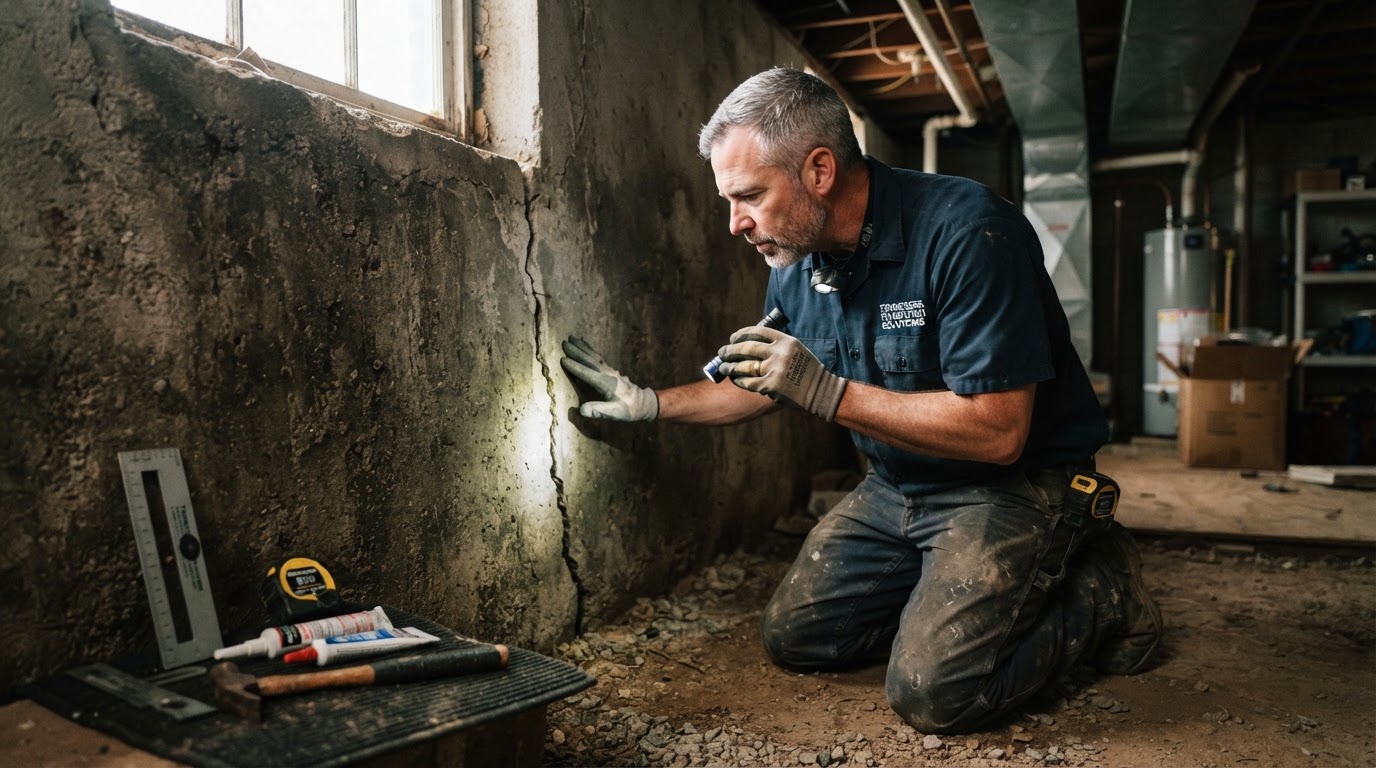
Settlement means a part of the foundation has moved downward, usually because the soil beneath it has shifted, compressed, or lost support. The challenge is that settlement shows up indirectly — through cracks, uneven floors, and doors and windows that no longer sit square — and those same symptoms can also come from causes that are not settlement at all. That is why settlement is diagnosed from a pattern, not a single crack.
Signs that point toward settlement include cracks that widen at one end, especially stair-step cracks in block or brick walls; floors that slope toward one side or corner of the home; doors and windows that stick or have gaps that have appeared over time; and separations between walls, ceilings, or the foundation and the structure above. A useful test is whether the symptoms are changing — a crack marked and dated that grows over weeks or months is more concerning than an old, stable crack that has not moved in years.
What gets misdiagnosed is the difference between active settlement and other causes of similar symptoms. A sticking door could be from humidity swelling a wood frame, not foundation movement. A floor that slopes might have been built that way. A crack might be from normal curing or shrinkage rather than ongoing settlement. And critically, even when settlement is real, the cause matters — settlement driven by poor drainage, a plumbing leak, or soil conditions needs the underlying cause addressed, not just the foundation lifted. That is why we look at the whole picture before recommending a repair approach.
How Settling Foundation Repair Is Approached
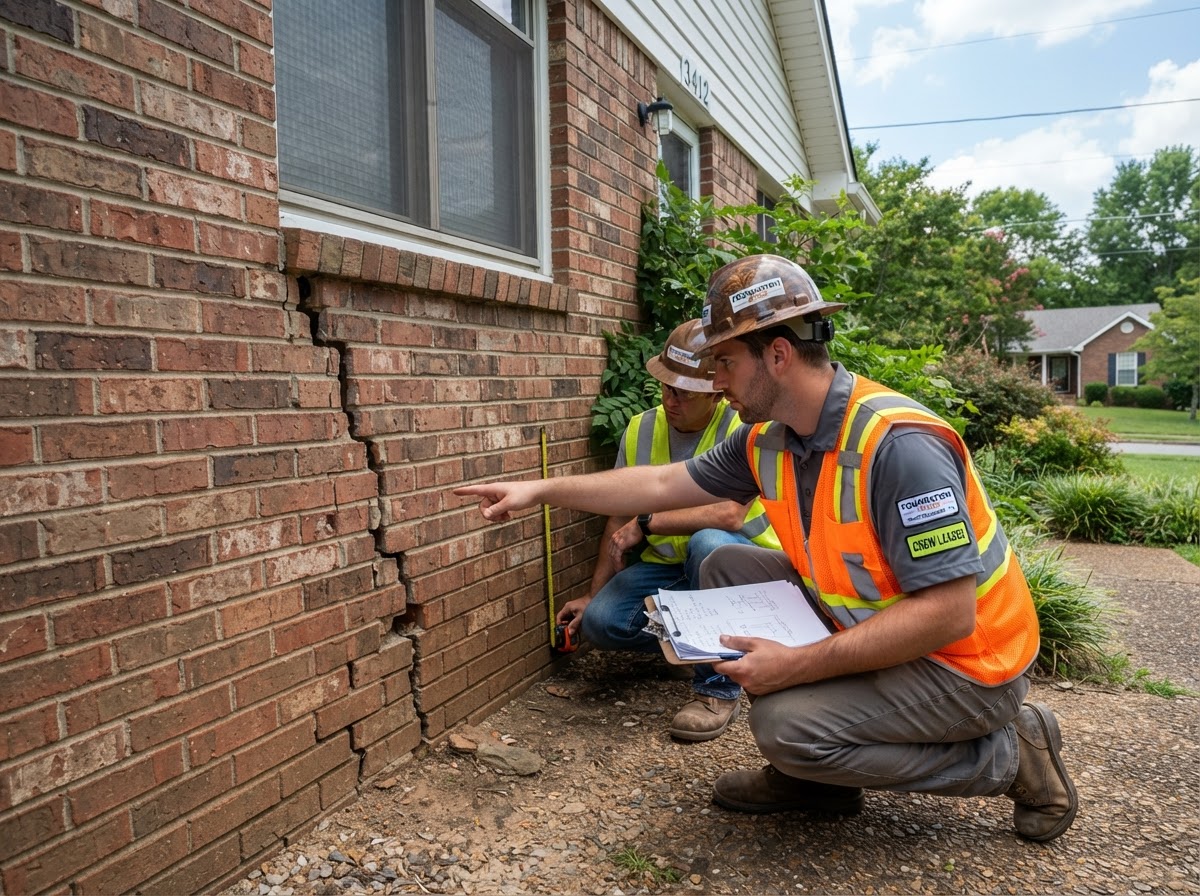
Repairing a settling foundation means addressing both the movement and, where possible, the conditions that caused it. The method depends on the foundation type, the extent and location of the settlement, the soil, and whether the movement is still active. For localized settlement, the approach may involve stabilizing the area that has dropped so it no longer continues to move. For more significant settlement, more involved stabilization may be needed to transfer the load to more stable ground. The right choice depends on what the diagnosis found, not on a one-size-fits-all method.
In plain terms, the process starts with understanding the pattern of movement and its likely cause, then matching a repair approach to the actual condition. We will not assume every settling foundation needs the most aggressive repair available, and we also will not pretend a serious, active settlement can be handled with surface patching. If drainage or a plumbing issue is contributing to the movement, that has to be part of the plan, because stabilizing a foundation while the cause continues is a temporary fix.
What to expect: we explain what the proposed work is intended to accomplish — stabilizing the area that has settled, addressing the conditions driving the movement, or both — and what factors affect the scope. We will be honest about what the repair can and cannot do. We will not invent guarantees that a foundation will never move again, because honest settlement repair is about addressing the conditions causing the problem and stabilizing the area of concern, not promising the soil beneath a home will stay perfectly still forever.
Preventing Future Foundation Settlement
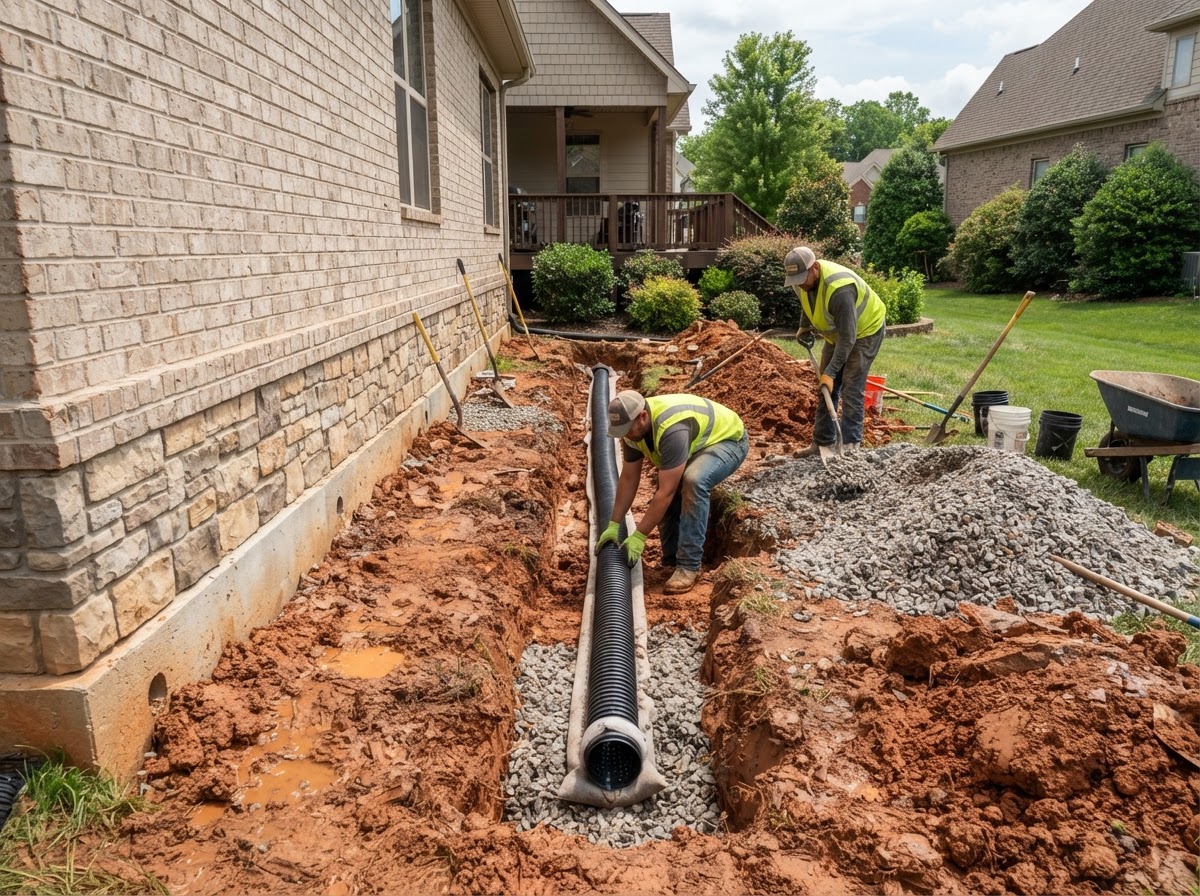
Most settlement in Middle Tennessee is tied to soil moisture, so prevention is largely about keeping the ground beneath and around a foundation as stable as possible. The clay soils common in Rutherford County shrink when they dry and expand when they are wet, and that movement is what stresses a foundation over time. The goal is to avoid extremes — not letting the soil get bone dry against the foundation during drought, and not letting it stay saturated during wet seasons.
The practical habits are the same ones that protect any foundation: keep gutters and downspouts clear and directed away from the house, maintain soil graded to slope away from the walls on all sides, and avoid both overwatering and neglecting the area near the foundation. During long dry summer stretches, light watering of the soil near the foundation (not flooding it) can help prevent the extreme shrinkage that contributes to settlement. During wet seasons, making sure water does not pool against the house is the priority.
Seasonally, keep an eye on any existing cracks — mark them with tape and the date so you can tell whether they are changing. Watch for new signs like doors that begin to stick or floors that feel different. If you know your home has a history of settlement or sits on soil prone to movement, be a little more attentive after extreme weather, whether drought or heavy rain. And if a plumbing leak or drainage problem appears, address it quickly — water where it should not be is the most common trigger for settlement that was not happening before. Calling when a symptom is new is always less expensive than waiting until the movement is significant.
Settling Foundation Repair Cost
| Service | Estimated Cost | Average |
|---|---|---|
| Localized settlement repair | Varies by condition | Property-specific |
| Foundation stabilization | Varies by scope | Property-specific |
| Larger settlement repair | Varies significantly | Property-specific |
Settlement repair costs vary based on the foundation, degree of movement, repair method, access, soil conditions, and project scope.
Our Settling Foundation Repair Process
Document the symptoms
We start with what you have noticed, including cracks, uneven areas, and changes around doors or windows.
Review the foundation
We consider the foundation type, visible conditions, drainage, and surrounding property.
Discuss repair options
We explain which factors affect the possible approach to stabilization or repair.
Plan the work
The project scope is developed around the actual foundation condition and the selected repair approach.
Why Homeowners Work With Us
Look beyond one crack
We consider the overall pattern of symptoms rather than assuming a single visible crack tells the entire story.
Connect drainage and foundation conditions
Water and soil conditions can be relevant to foundation movement, so surrounding conditions deserve attention.
Explain the repair
We want homeowners to understand what the proposed work is intended to address before moving forward.
Other Services
Foundation Repair
Practical foundation repair for cracks, movement, settlement, and other structural concerns.
Learn moreCrawl Space Encapsulation
Protect your crawl space from excess ground moisture with a focused encapsulation approach.
Learn moreBasement Waterproofing
Basement waterproofing designed to address recurring moisture and water intrusion concerns.
Learn moreFrench Drain Installation
French drain installation to help collect and redirect unwanted water around your property.
Learn moreSump Pump Repair & Installation
Sump pump repair and installation to help keep basement water moving out when you need it most.
Learn more